Author: mgroesch2014

My Dark Hour – Steve Miller Band featuring Paul Ramon

Homer_MyDarkHourWent down a Steve Miller Band wormhole via Homer soundtrack, and starting digging deeper on his Brave New World album, especially the Paul McCartney collaboration at the tail end.

“My Dark Hour,” is credited to McCartney alias Paul Ramon, and was recorded immediately after Paul had a heated argument with John, Ringo, and George.

Steve Miller happened to be there recording, late at night, and he just breezed in. ‘Hey, what’s happening, man? Can I use the studio?’ ‘Yeah!’ I said. ‘Can I drum for you? I just had a fucking unholy argument with the guys there.’ I explained it to him, took ten minutes to get it off my chest. So I did a track, he and I stayed that night and did a track of his called My Dark Hour. I thrashed everything out on the drums. There’s a surfeit of aggressive drum fills, that’s all I can say about that. We stayed up until late. I played bass, guitar and drums and sang backing vocals. It’s actually a pretty good track. –  Paul McCartney / Many Years From Now, Barry Miles

Pretty good track at best. I think I like the story here more than the song, I guess you could say that about most everything on this here site. I just can’t help but hear the roots of McCartney all over this track. The ease in which this track was recorded, playing most of the instruments himself, banging it out in one session, surely whetted his appetite for more solo recordings.

Wednesday Links – 1.27.15


American Harmony
As if Tom Scharpling and Jon Wurster haven’t done enough to make us laugh, now they tip us to what looks like a real life A Mighty Wind. They are presenting this film at the Cinefamily in Los Angeles in March. Also, if you are not listening to the Best Show every Tuesday, you should be.

Invisible Hits: The Tangled Tale of Bob Dylan’s Blood on the Tracks
Tyler Wilcox’s Invisible Hits continues to bring the goods. Kicking of 2015 by celebrating the 40th Anniversary of Blood On The Tracks, in particular Dylan’s last minute cold feet that lead him to re-record half of the album.  This should whet your appetite for the Bootleg Series.

Thee Speaking Canaries mini-doc
Via Chunklet, here is a five minute documentary on Damon Che’s pre Don Cabballero project Thee Speaking Canaries. “Before he was known as the drummer/octopus of Don Caballero, Damon Che had a one-man project called Thee Speaking Canaries. At the beginning of the 90s, before he recorded his debut record “The Joy of Wine,” Damon Che composed and performed an entire record’s worth of material.”

Waxpacks Tumblr
If you were born in the 70s or 80s, you will have a hard time not getting lost in the sauce of a very eclectic mix of trading cards. Tom Skerritt in Alien to Bo Jackson’s Rated Rookie. This tumblr’s got you covered.

Homer (1970)

Homer_OST_revI may have discovered why Led Zeppelin became so notoriously draconian about licensing their music to films.

Homer is a pretty text book film about a teen coming of age amidst the backdrop of the vietnam war, small town conservatism, and a rising anti-establishment zeitgeist.

It is also the first movie to ever license Led Zeppelin’s music.

We open the movie on a dark highway, where we find the titular character attempting to thumb his way out of his small Wisconsin farm town to San Francisco, only to be picked up by the sheriff and driven home to his disapproving folks. From there the movie breaks out every cliché trope in the book: War Veteran Dad vs. hippie son, repressed young love, garage rock, pot experimentation, and the local golden boy that gets drafted to Vietnam war and sent back in a casket.

The soundtrack is a good smattering of heavy hitters, including three Buffalo Springfield songs (all Stills tracks), The Byrds, Steve Miller Band, Cream, and The Lovin’ Spoonful.

Led Zeppelin’s “How Many More Times,” hits during the beginning of a “boy becomes a man” montage, when Homer’s Dad burns all his rock posters (Abbey Road!) and is trying to farmhand him into becoming a respectable adult. The opening shot of Homer milking a cow to the opening chord is not what Led Zeppelin’s people had in mind when they licensed their eight-minute jam to the film’s producers. Adding insult to injury Homer’s dad turn off Zep to listen to Crop Futures, then Homer tunes into The Byrds on his headset!  This is the type of gross misuse of Zeppelin that drove Peter Grant to dressing up like a 30’s gangster.”


Flash forward to 2013 when the mighty Zeppelin forced Ben Affleck to digitally alter Tate Donavon’s hand in Argo in order to clear “When The Levee Breaks.”

One of the deeper cuts on the soundtrack is “Rock & Roll Gypsies,” by Hearts and Flowers. A catchy number that has one foot firmly rooted in the east coast village folk, but whose chorus and harmonies seem to sway to the west coast stylings of the Byrds.

Hearts And Flowers – Rock N Roll Gypsies


Wednesday Links – 01.21.15

Weds_taylor-negron

Taylor Negron: In Memoriam
A nice write up from Grantland’s Alex Pappademas on a character actor who’s story is way more interesting than you had suspected.  No mention of his scene stealing appearances in Better Off Dead or One Crazy Summer, but chock full of greatness. His performance on the Moth Radio Hour is also worth your time.

Yaphet Kotto – Have You Ever Seen The Blues (1968)
Aquarium Drunkard has my number with this one. I clicked for the novelty, and stuck around for the greatness.

This Is What “Man Caves” Looked Like Back In The 60’s & 70’s
So Bad So Awesome looks at some pretty great bachelor pads from back in the day. (via WFMU)

Menthol Mountains
Bummed that the reported activity in the Silver Jews camp turned out to false? Well take solace that the David Berman is still actively posting over at his Menthol Mountains. My favorite recent post: This Mind-Arresting Stripmall: Flummox Village at Puzzle Place. Clothes Mentor.

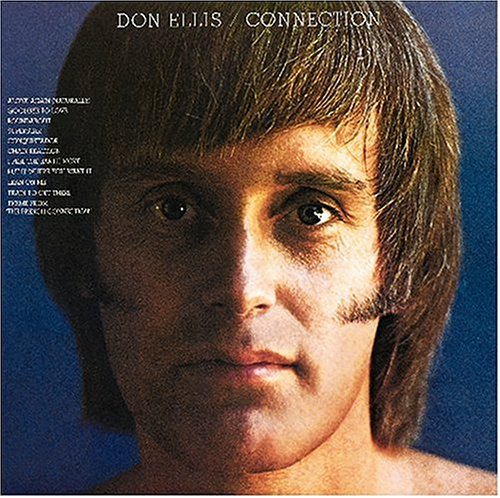
The Three Degrees – “Everybody Gets To Go To The Moon” (The French Connection)

FC_PosterIt turns out that The Three Degrees were the featured vocal group in the night club scene in The French Connection.  Filmed on location at the Copacabana, they inject tremendous energy into the scene with their soaring version of Jimmy Webb’s  “Everybody Gets To Go To The Moon.”

Coming across this tidbit seemed like a good excuse to rewatch the movie for the first time in over a decade. A decision that reaffirmed my love for the Public Library, and also for DVD commentaries.  I decided to watch the movie with William Friedkin’s commentary, which was the right move. Not only does he give fantastic insight on the making of one of the best cop movies ever made, but he does it with the humble nature of a Donald Trump.


He boasts about not reading the book that The French Connection was based on, because he lived it, man.  He went out on all night stakeouts with Eddie Egan and Sonny Grosso. He also takes great pride in utilizing cameraman Ricky Bravo, who shot footage of Che Guevara during the Cuban Revolution. That’s the kind of juice Friedkin brought to the party, and rightly so.  He even takes a dash of credit for Three Degrees’ success. #LikeATrump.

Commentary Excerpt – William Friedkin

 Everybody Gets To Go To The Moon (Live) – The Three Degrees


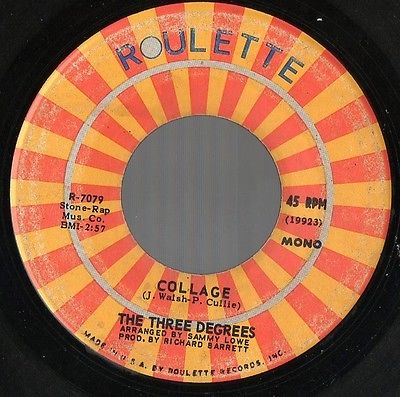
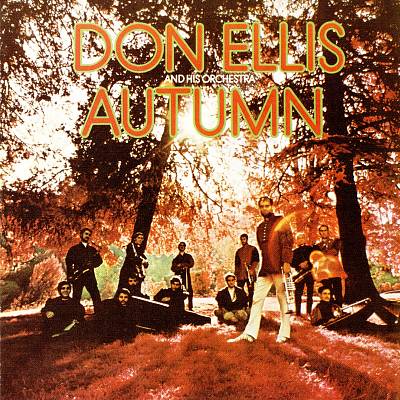
The Three Degrees – Collage (The James Gang)

the-three-degrees-maybe-b-w-collage-45_10167782The Three Degrees are a Philadelphia based vocal group that was formed in the 1960s, they’ve taken the Menudo route of maintaining career longevity via a rotating lineup of over a half dozen members throughout their lifespan.

This song seemed so instantly coded into my psyche, that I was initially convinced that it must have been sampled in some RZA beat or DJ Shadow track, but I don’t think that’s the case.In reality, the years of listening to David Axelrod has trained me well for this song.  The vibes on the downstroke, the wah-picked guitar intro, and the dramatic entrance of the killer break beat. Oh and the vocals.

The track is a James Gang cover co-written by Joe Walsh. The original is pretty sweet too.

Collage – The Three Degrees

Collage – The James Gang

WEDNESDAY LINKS

ELECTRIC BOOGALOO: THE WILD, UNTOLD STORY OF CANNON FILMS
“A documentary about Menahem Golan and Yoram Globus – two movie-obsessed cousins whose passion for cinema changed the way movies were made and marketed – and the tale of how this passion ultimately led to the demise of the company they built together.”

CALLER GO AHEAD
Color me intrigued. This guy set up a phone number and encouraged people to call it and leave a voicemail of their choosing. Each episode is comprised of said voicemails. This is kind of like Post Secret for the podcast age.

SHUDDER TO THINK: AN ORAL HISTORY
A long read for an under appreciated band.  This has been making the rounds this week. Illustrator/Writer Brian Koshack (aka Kojack) followed up a 2013 Shudder To Think reunion piece with a long form oral history with the members of the band.

CALIFORNIA SPLIT IS THE RAGING BULL OF POKER MOVIES
The Austin Film Society recently ran a double bill featuring California Split paired with the new documentary Altman.  The Austin Chronicle reflects on Split.

Brian Protheroe – Pinball (1974)

PinballAs a teen growing up in 1960s England, Brian Protheroe was an aspiring folkie who also caught the acting bug. In his twenties he played gigs in small clubs and performed in various theatre companies, honing both his musical and acting chops. It paid off in 1973 when Protheroe was discovered by an A&R man while acting in a play about a pop star. His first single, “Pinball,” was released soon there after.

A laidback mantra that recalls the zen psych folk of Ted Lucas but with higher production value. This beauty builds like an nice bottle of bubbly that’s about to pop, but then immediately cools down with a smooth saxophone break and professional fade out.

Air’s “Playground Love” doesn’t seem as groundbreaking anymore thanks to the man that played “co-pilot” in Richard Donner’s Superman (1978).

Brian Protheroe – Pinball

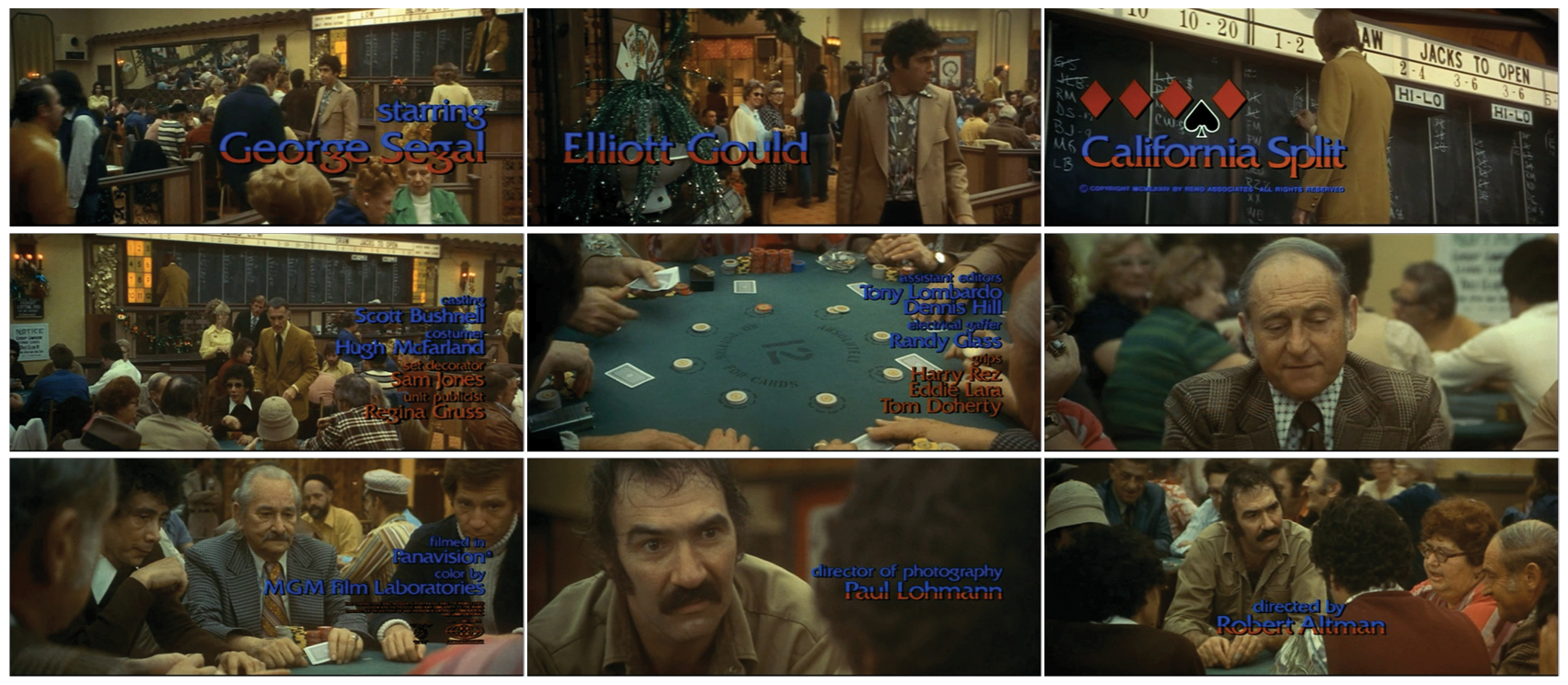
Opening Titles: California Split

CaliforniaSplit_titles

I watched Robert Altman’s California Split for the first time ever, and am happy to report that it really does lives up to all the hype. It is definitely a slow burn. Altman masterfully builds up two character sketches at once and the payoff is fantastic. 

He follows a couple of low end Los Angeles based gamblers named Charlie and Bill, played by Eliott Gould and George Segal, as they hustle around around town looking for the next sure thing.

The immediate chemistry between our two lead characters is so contrived it is almost off-putting, but that comes to a simmer as Altman subtly whittles down these men to the essence of their being. As their madcap adventures take them to the fringes of the gambling action, we watch as Gould thrives in the ups and downs of his wayward lifestyle, while the same action simultaneously gnaws on Segal’s conscience. Split in two, much like the red and blue font treatment in the title sequence.

The type itself is a bit muddy, but the sound design can only be described as. “Altmanesque.”  Many of Altman’s audio mixes were notorious for their intentionally layered nature. In his more crowd centric scenes Altman would basically mic the entire room and mix levels in post, often burying his lead actors low in the mix.In this very boisterous opening scene, I love that Altman doubles down on the aural madness by boosting the sound design to the title animations. As the type masks on the sounds of cards being shuffled into place add to the beautiful cacophony.